The seminar introduces Peter Attia's “Four Horsemen” as a way to discuss long-term health. It is a framework for four broad disease groups, not a prediction about any individual.
66%of adults in England were overweight or living with obesity in the 2024 Health Survey for England.Read the NHS England data
IHeart disease
IICancer
IIINeurodegenerative disease
IVType 2 diabetes & metabolic disease
Act 2 · Why timing comes up
The mouse experiment raises a question about when we eat.
Leon compares two groups eating similar amounts of a high-fat diet. Mice with food access only during their active period had better metabolic outcomes than mice that could eat at any time. This is the reason the talk turns to meal timing.
Mouse group AFood available around the clock
Eating spread across day and night.
Mouse group BFood available for 8 hours
Eating during the animals’ active phase, with similar calorie intake.
Illustrations from Leon’s seminar slide; these are not photographs of the experimental animals. The restricted group had less weight gain and better glucose and insulin measures in this mouse experiment. It does not establish an ideal eating window for humans. Leon also raises this limitation in the talk. Original study.
What about people?
Leon says in the seminar that Peter Attia and Satchin Panda both favour an earlier first meal. A small controlled study in men with prediabetes found improved insulin sensitivity with an earlier eating window. This supports studying earlier timing; it does not mean everyone must eat breakfast at a particular hour. Human trial.
Your example day15h 30mBetween first and last intake
Now test the idea against your own routine: count from your first calorie-containing food or drink to the last. This shows a pattern to discuss, not a diagnosis or a required target.
00:0006:0012:0018:0024:00
In one study of 156 volunteers, half recorded eating across more than 14 hours 45 minutes. This describes that sample, not a health cutoff. Study details.
Act 3 · The science
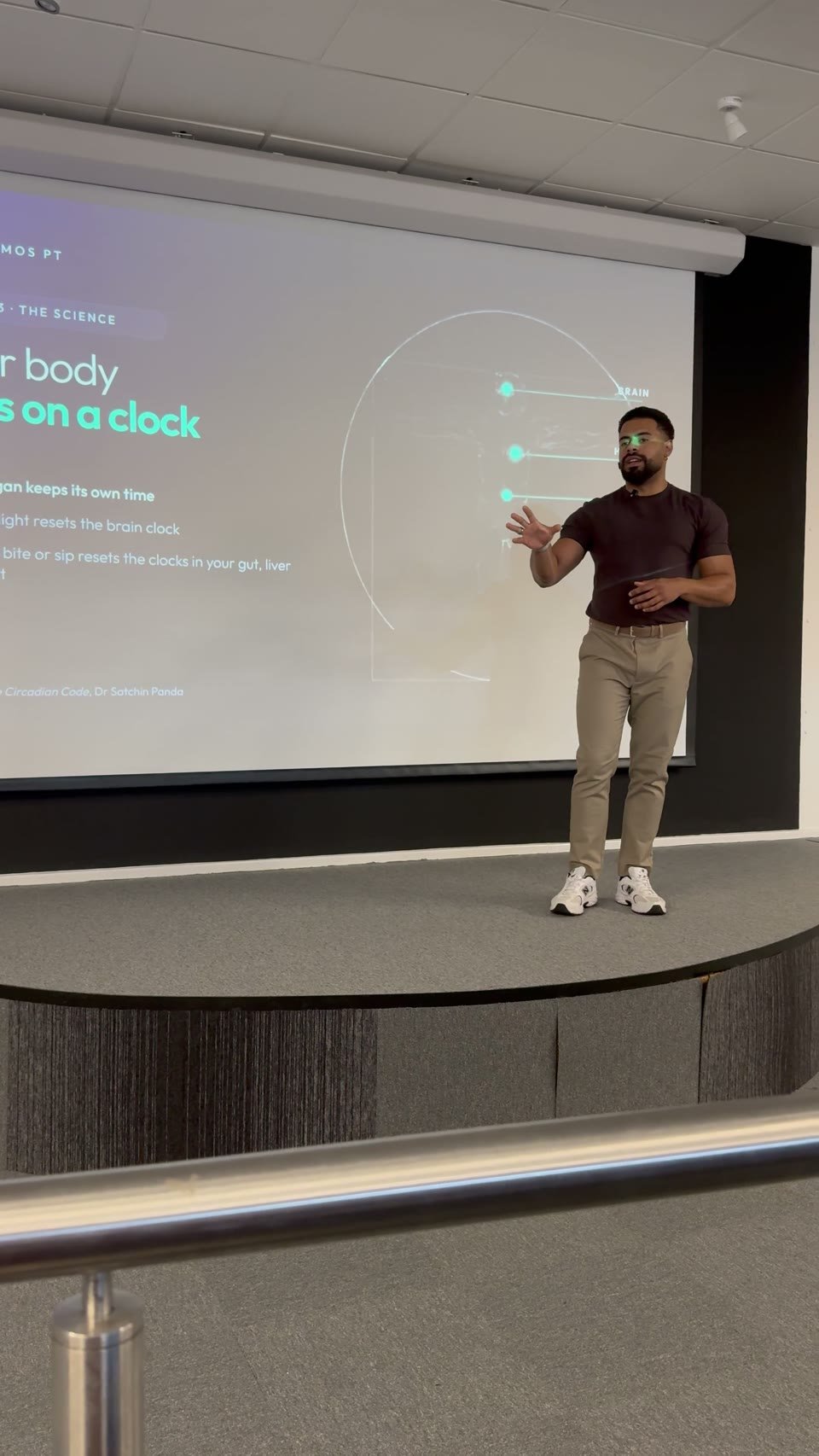
Your body runs on a clock.
This is one of Leon's strongest spoken lines. Watch the short original clip, then explore the signals that help organise a day.
Leon's original voice · 07:53–08:10 · Stereo playback
Light is the main timing cue for the central circadian clock. Food timing also interacts with rhythms in metabolic tissues.
Human studies have found different glucose and insulin responses to identical meals eaten during the day versus at night. That does not mean insulin is “the villain” or explain every afternoon energy dip. See the systematic review.
Act 4 · The solution
Make the easier choice available.
Three practical habits from the talk: read the label, prepare breakfast, plan once.
01
Notice your timing
Write down the first and last calorie-containing intake on an ordinary day. Look for a routine you can keep, rather than a compulsory fasting target.
02
Choose your defaults
Pick a breakfast and a snack you can realistically use during a busy week.
03
Prepare once
Set out ingredients or prepare one meal before the week gets crowded.
Fuel Your Workday01 / 03
Read the label. Not the hype.
Tool 01 · Food labels
Read the label, not the hype.
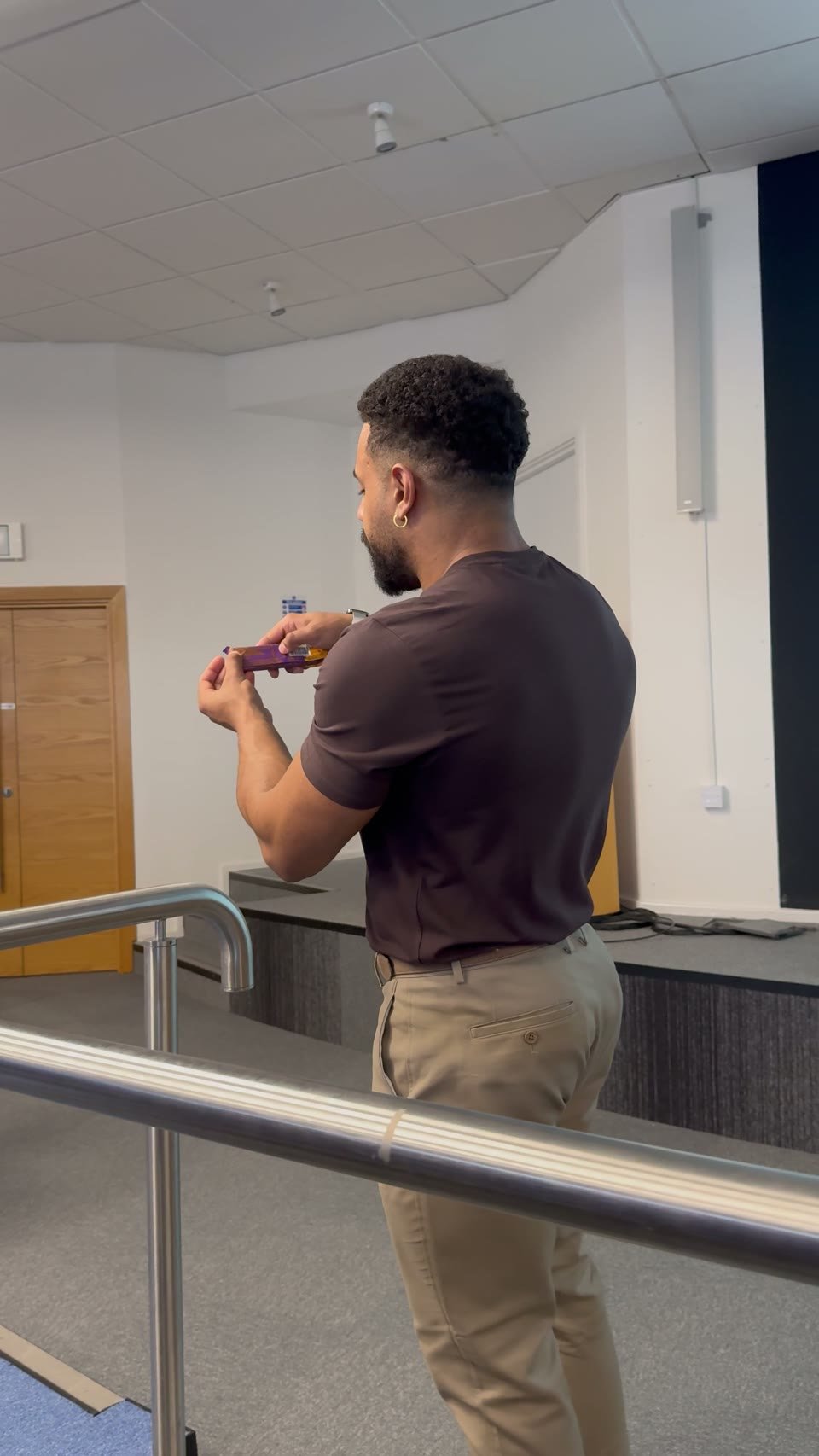
Follow Leon’s example with the Moment Bar: 201 kcal and 19 g protein per Chocolate Caramel bar. Covering the last digit of 201 gives roughly 20; 19 g is close. This is a quick protein-density check, not the legal definition of “high protein”.
Try this
Check the portion size, calories and protein first. Then look at the rest of the nutritional table.
Two original passages · 27:02–27:44 and 28:53–29:54
Toolbox · Your numbers
Your numbers in 2 minutes.
The calculator from the talk: resting calories, daily calories and a starting range for protein, carbs and fat. Works in kg or stone, cm or feet. It is an estimate to start from, not a prescription.
Resting —Daily —
Protein—1.2–2.2 g per kg
Carbs—About 3 g per kg Fibre-rich first
Fat—0.8–1.2 g per kg Olive oil, nuts, oily fish
Uses the Mifflin–St Jeor resting-energy equation and a broad activity multiplier, so it can be off for an individual. Your inputs stay in this browser. Equation source.
Toolbox · Shopping list
Your shopping list
Everything from the talk in one list: the proteins, carbs and fats to prioritise, plus the 4 smarter snacks. Screenshot it and take it to Tesco.
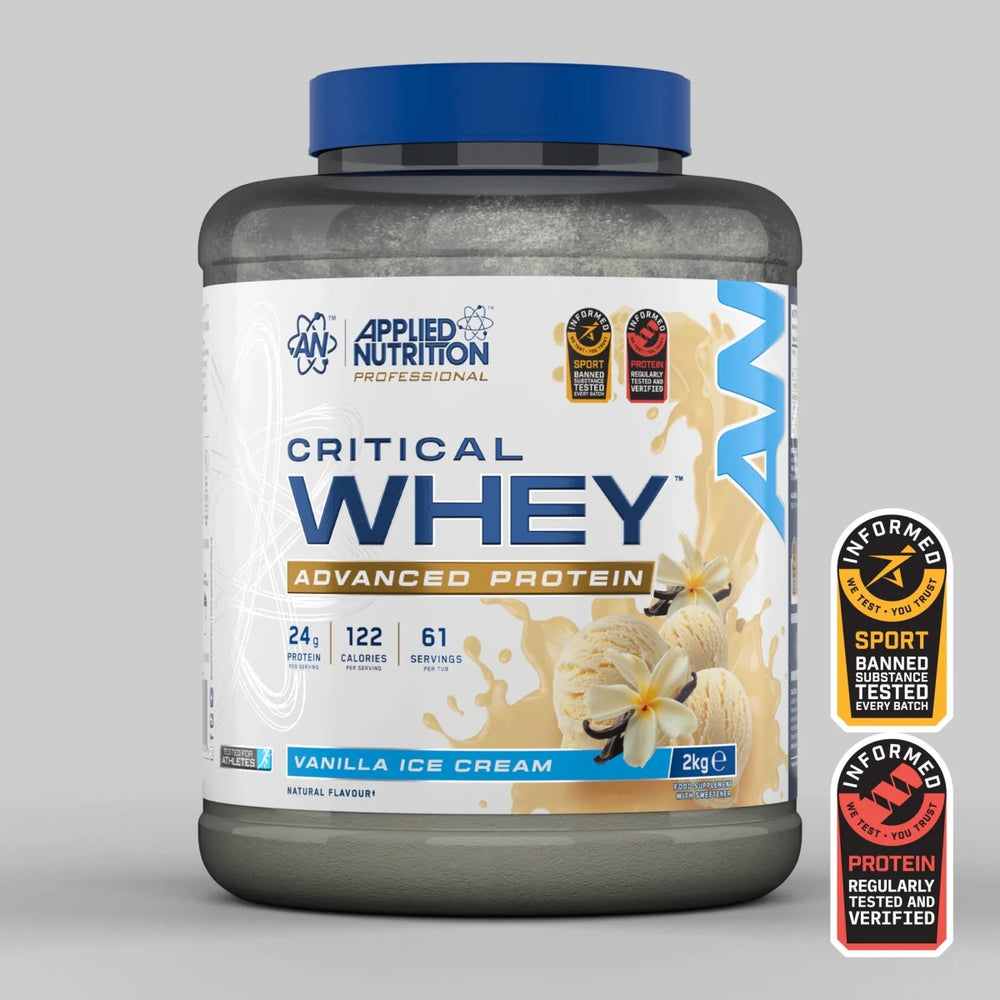
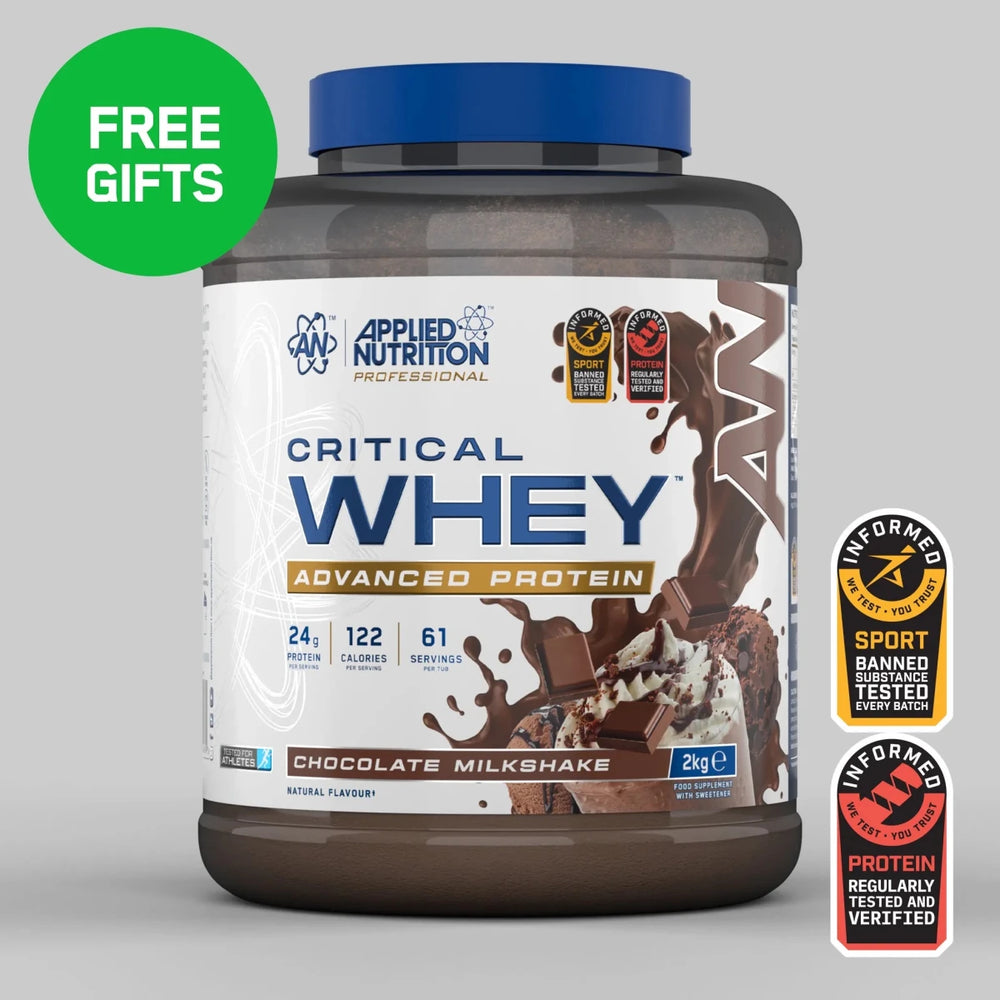
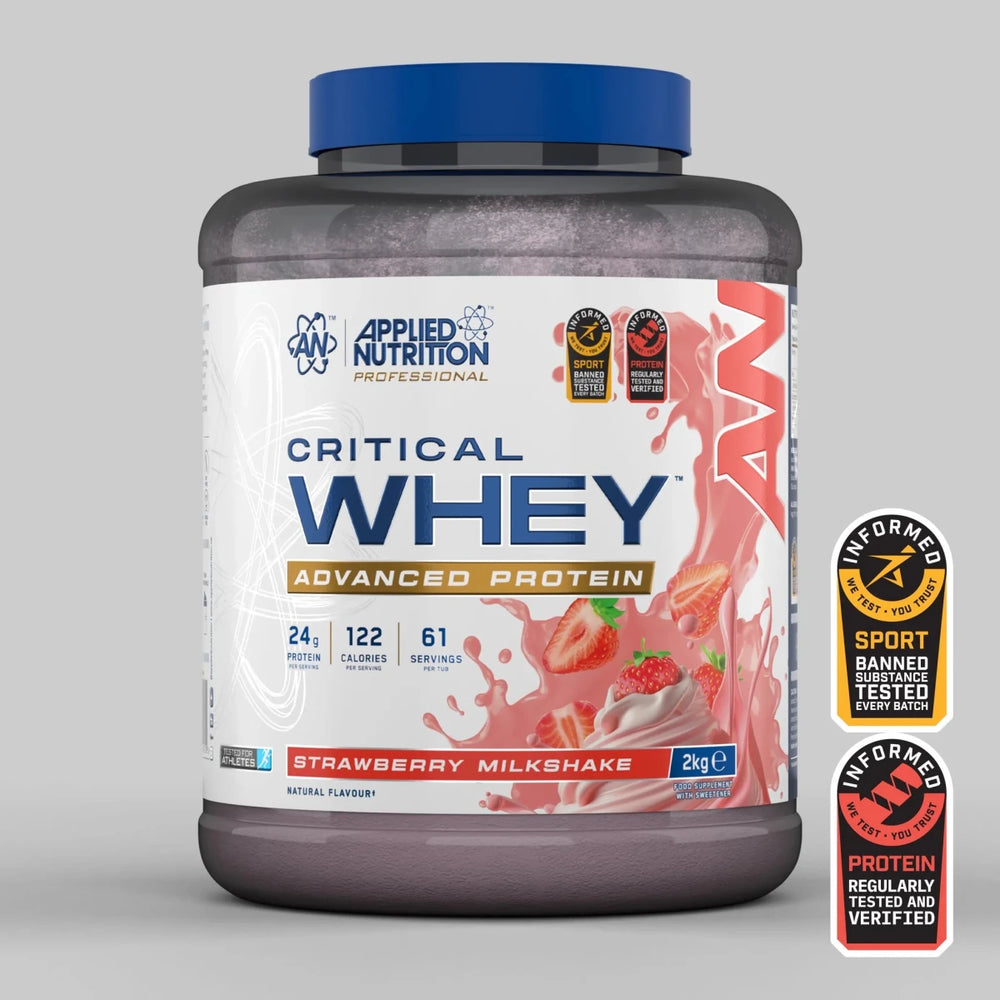
Applied Nutrition sponsored the seminar. Supplements support a good diet; they do not replace it. Start with the food routine above, then pick the goal that fits you.
Pick your goal.
The four stacks from the talk. The link opens Leon’s Fuel Your Workday list, where you choose your goals and get the matching products.